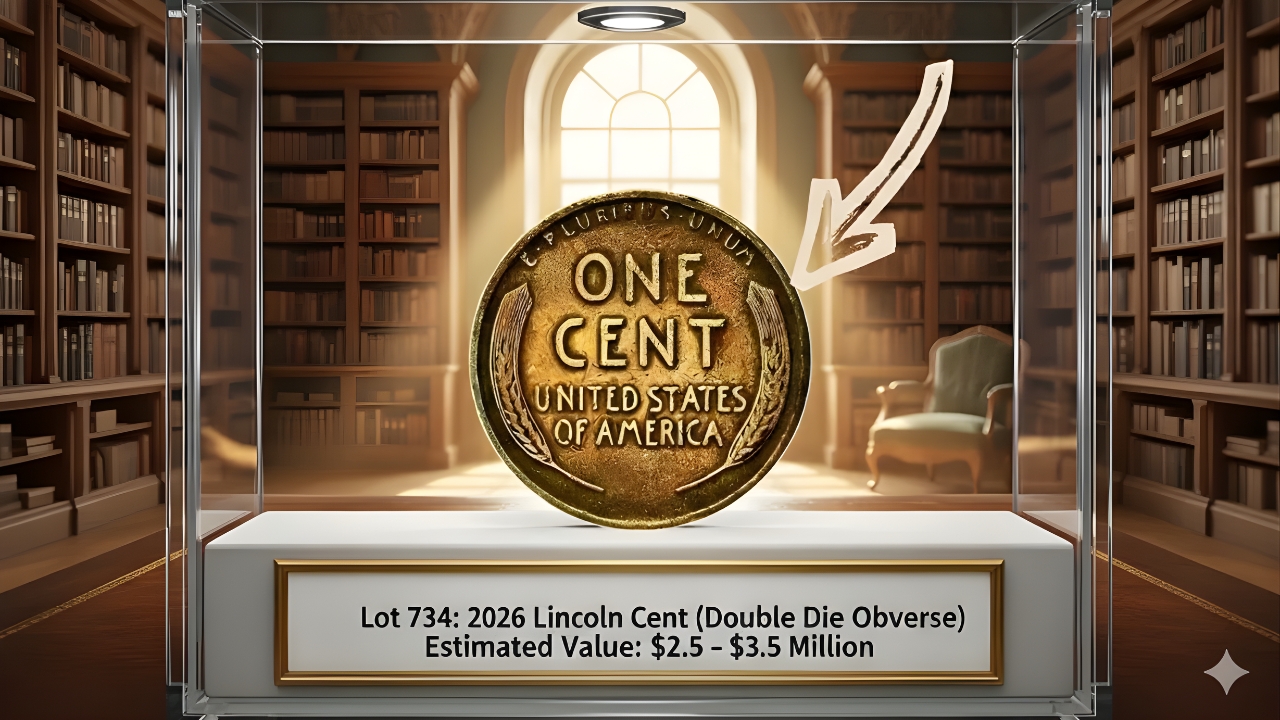
The idea that a single penny could be worth hundreds of thousands of dollars sounds almost unbelievable. Yet in the world of coin collecting, certain Lincoln Wheat Pennies have reached astonishing values, with one remarkable example reportedly selling for as much as 576,000 dollars. Stories like this spark curiosity across the country, sending people to old jars of change, inherited coin albums, and forgotten drawers in search of hidden treasure. While such discoveries are rare, they are not impossible, and understanding what makes a Lincoln Wheat Penny so valuable is the first step toward identifying one.
The Lincoln Wheat Penny, officially known as the Lincoln Wheat Penny, was minted from 1909 to 1958. It was the first United States coin to feature a real historical figure, President Abraham Lincoln, whose profile appears on the obverse. The reverse displays two stylized wheat stalks, symbolizing prosperity and national growth. Designed by Victor David Brenner, this small copper coin became an enduring symbol of American coinage.
Why Some Lincoln Wheat Pennies Are Worth a Fortune
Not every Wheat Penny carries extraordinary value. In fact, most examples found in circulation today are worth only a few cents above face value. The coins that command massive prices typically fall into three categories: rare early issues, minting errors, and exceptionally preserved high-grade examples.
The 576,000 dollar figure is often associated with a small number of rare error coins, particularly the famous 1943 bronze cent. In 1943, the United States Mint shifted to steel planchets coated in zinc due to wartime copper shortages. However, a few leftover bronze blanks from 1942 were accidentally struck with 1943 dies. These coins were never meant to exist, making them among the most celebrated mistakes in American numismatics.

When one of these 1943 bronze Lincoln cents surfaces in authenticated condition, it draws intense bidding from collectors. Their rarity, combined with the fascinating wartime backstory, makes them highly desirable. Only a handful are known to exist, which explains why prices can soar into the hundreds of thousands of dollars.
The 1943 Bronze Cent: The Crown Jewel
The 1943 bronze Lincoln cent is often considered the ultimate prize in Wheat Penny collecting. To determine whether you have one, start by checking the date. If your penny reads 1943 and appears copper-colored rather than silver-gray, you may have something special.

A simple magnet test can provide an initial clue. Standard 1943 steel cents are magnetic because they contain steel. A genuine bronze 1943 cent will not stick to a magnet. However, this test alone is not enough to confirm authenticity, as counterfeit coins and altered dates are common.
Weight is another indicator. A bronze Lincoln cent typically weighs about 3.11 grams, while the steel version weighs approximately 2.7 grams. Accurate digital scales are useful for preliminary evaluation. Still, professional authentication is essential before drawing conclusions.

Other High-Value Lincoln Wheat Pennies
While the 1943 bronze cent receives much attention, other Wheat Pennies have also achieved remarkable prices. The 1909-S VDB issue is one of the most sought-after early coins in the series. Minted in limited numbers at the San Francisco Mint, it features the designer’s initials on the reverse, which were later removed due to public criticism.
Another celebrated rarity is the 1955 doubled die cent. This coin displays dramatic doubling in the date and lettering on the obverse, easily visible without magnification. Collectors prize this striking error for its bold appearance and clear distinction from normal coins.

High-grade examples of key dates can also reach impressive values. Coins graded in near-perfect condition with full original luster and sharp details often command premiums far beyond standard catalog prices. In the rare coin market, condition can multiply value many times over.
Understanding Mintmarks and Production Numbers
Mintmarks play a critical role in determining rarity. Lincoln Wheat Pennies were struck at several facilities, including Philadelphia, Denver, and San Francisco. Coins from the San Francisco Mint, identified by an S mintmark, often had lower production numbers in certain years, increasing their scarcity.

Production totals alone do not tell the entire story. Survival rates matter even more. Many coins with high mintages were heavily circulated and worn down, leaving relatively few high-grade examples today. Collectors pay close attention to population reports that estimate how many coins remain in top condition.
When examining a penny, look carefully below the date for a small letter indicating the mint location. Understanding which combinations of year and mintmark are scarce can help you spot a potentially valuable piece.

How to Examine Your Coins Properly
If you suspect you may have a valuable Lincoln Wheat Penny, handle it with care. Hold the coin by its edges to avoid transferring oils from your fingers onto the surface. Avoid cleaning the coin under any circumstances. Cleaning can significantly reduce value by altering the original surface.
Use a magnifying glass or jeweler’s loupe to inspect the date, mintmark, and overall detail. Look for unusual features such as doubling, off-center strikes, or differences in metal color. Compare your coin to verified images from trusted numismatic references.

If your coin passes preliminary checks and appears unusual, consult a reputable coin dealer or submit it to a professional grading service for authentication. Certification provides confidence to buyers and helps establish fair market value.
The Role of Professional Grading
Professional grading services evaluate coins based on standardized criteria, assigning a numerical grade that reflects condition. The higher the grade, the better the preservation. For rare coins like a potential 1943 bronze cent, authentication is especially important due to the prevalence of counterfeits.

Certified coins are sealed in protective holders with identification labels. These encapsulated coins typically sell for higher prices because buyers trust the accuracy of the assessment. In the case of a coin valued at hundreds of thousands of dollars, third-party verification is essential.
Market Trends and Growing Interest
Interest in rare Lincoln Wheat Pennies has grown steadily over the years. Auction headlines featuring six-figure and even seven-figure sales generate excitement and attract new collectors. Social media and online marketplaces have also increased awareness, making it easier for people to learn about rare varieties and value drivers.

However, it is important to approach the market realistically. The overwhelming majority of Wheat Pennies found in circulation are common dates in worn condition. While they may hold modest collector interest, they are unlikely to fund retirement. Still, the thrill of the hunt keeps many enthusiasts engaged.
Could There Still Be a Fortune in Circulation
Although most high-value examples have already been discovered, coins occasionally emerge from unexpected places. Estate sales, inherited collections, and long-forgotten coin jars sometimes yield surprising finds. The key is knowledge and careful inspection.
Even if you do not uncover a 576,000 dollar rarity, assembling a collection of Lincoln Wheat Pennies can be a rewarding hobby. The series spans significant periods of American history, including two world wars and the Great Depression. Each coin carries a story from the year it was minted.
Final Verdict
The rare 576,000 dollar Lincoln Wheat Penny represents one of the most exciting possibilities in coin collecting. While the odds of finding such a treasure are slim, understanding key dates, mintmarks, and errors can dramatically improve your chances of identifying a valuable piece.
Careful examination, proper handling, and professional authentication are crucial steps in determining true worth. For collectors and casual searchers alike, the Lincoln Wheat Penny remains a symbol of how even the smallest coin can hold extraordinary value.
Disclaimer
Coin values fluctuate based on demand, rarity, condition, and market conditions. The prices referenced in this article reflect reported sales and may vary over time. Readers should seek professional numismatic advice before buying, selling, or submitting coins for grading.